Master the Markets: A Comprehensive Guide to Trend Trading
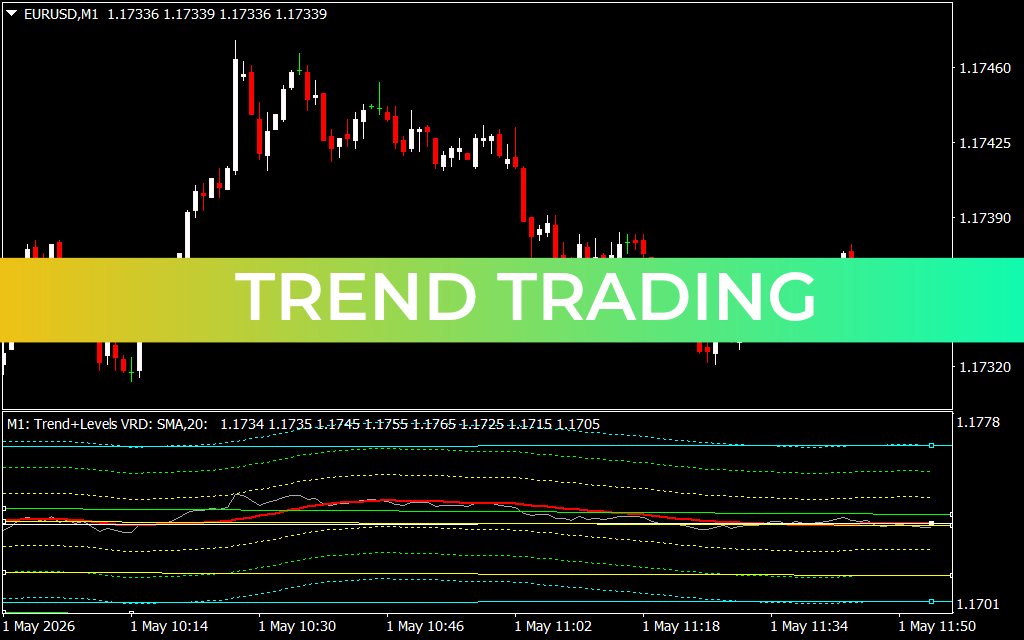
In the world of financial markets, there is a classic adage that every professional professional lives by: "The trend is your friend." Trend trading is one of the most reliable and time-tested strategies used by successful investors to capture significant market moves. Instead of trying to predict exact tops and bottoms, trend traders focus on identifying the current momentum and riding it for as long as possible.
The Philosophy of Trend Trading
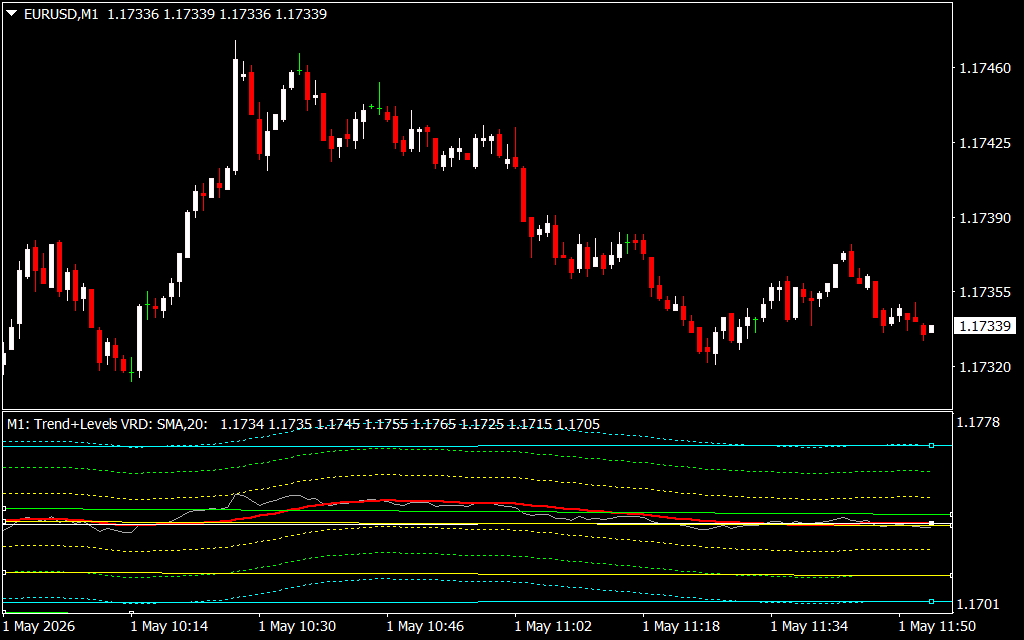
Trend trading is built on the belief that markets move in persistent directions rather than random fluctuations. When a market is in a trend, it is essentially in a state of imbalance where either buyers or sellers have gained clear control. A trend trader seeks to enter the market once this imbalance is confirmed and exit only when signs of exhaustion appear.
This approach is highly favored because it aligns your capital with the "path of least resistance." By following the prevailing momentum, you increase the statistical probability of your trades reaching their targets while minimizing the risk of getting caught in unpredictable sideways "chop."
Core Components of a Trend Strategy
To master trend trading, you must understand the three structural phases of market movement:
- Identification: This is the process of determining if the market is actually trending. A bullish trend is defined by a series of higher highs and higher lows, while a bearish trend consists of lower highs and lower lows.
- The Entry: Professional traders rarely chase a price. Instead, they look for "pullbacks" or "retracements" within a strong trend. This allows for a more favorable entry price and a tighter stop-loss, maximizing the potential reward-to-risk ratio.
- The Exit: Knowing when to get out is just as important as knowing when to get in. Trend traders often use trailing stop-losses, which move in the direction of the trade to lock in profits as the market continues to advance.
Essential Tools for Trend Trading
While Price Action is the ultimate lead, several technical indicators can help you confirm a trend's validity:
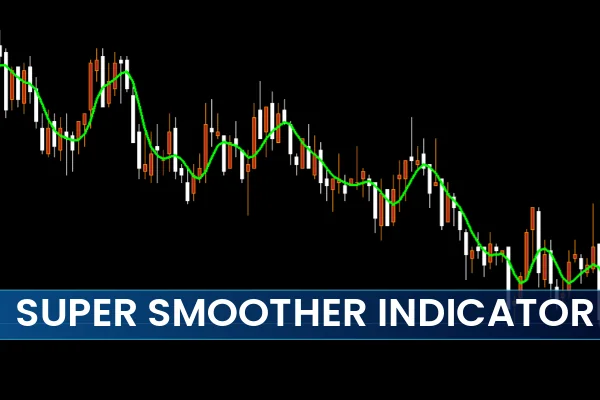
- Moving Averages: These smooth out price data to reveal the underlying direction. A popular technique is the "Golden Cross," where a short-term moving average crosses above a long-term one.
- Trendlines: By connecting swing highs or lows, trendlines provide a visual floor or ceiling for the market, helping you spot potential bounce points.
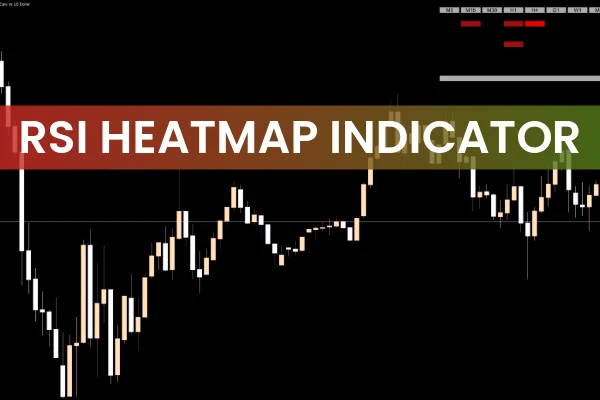
- Momentum Oscillators: Tools like the RSI or ADX can tell you if a trend is accelerating or losing steam, helping you avoid entries near the point of exhaustion.
Conclusion
Trend trading is not about being right 100% of the time; it is about having a disciplined system that captures the "meat" of large market moves. It requires patience to wait for the right setup and the emotional fortitude to stay in a trade as long as the trend remains intact. By mastering these principles and utilizing robust technical tools, you can transform the market's volatility into a consistent source of opportunity.
1 Download
Last Update:
May 01, 2026 14:55 PM
Published:
Jan 29, 2026 18:59 PM
Category: